
Biomes
99 Nights in the Forest biomes — the forest, snow biome and volcanic biome rotation, loot structures like the Temple and Saw Mill, and how to survive each region.
Introduction
The forest is not one place in 99 Nights in the Forest — it is three. The default forest biome of trees, cabins and abandoned buildings is where every run begins, but the map rotates between a frozen snow biome and an erupting volcanic zone, each with its own monsters, loot and survival rules. The recent Biome Refresher update reworked both special regions, adding new structures and pressure to travel. This page breaks down each biome, the landmarks worth looting inside them, and how the rotation changes your base, your fire and your risk every run. The rotation means your base, your fuel stock and your combat plan all need to bend to the region you roll, which turns map knowledge into one of the most reliable advantages you can carry into any run whether you are a weekend solo player or a 99-night completionist.
Biome Comparison Table
| Biome | Threat | Loot | Survival Key |
|---|---|---|---|
| Forest | The Deer, woodland entities | Chests, cabins, Saw Mill fuel | Standard base loop |
| Snow | Cold drain + standard entities | Frozen chests, reworked structures | Stack high-value fuel |
| Volcanic | The Ram, lava zones | High-value volcanic chests | Keep space, watch lava |
| Temple | Guarded approach | Mystery loot and secrets | Dungeon discipline |
| Saw Mill | Low | Wood, coal, gasoline | Loot early and fast |
Biome Field Guide
Forest Biome
The default starting region of trees, cabins and abandoned buildings.
Snow Biome
A frozen region with icy terrain that began rotating in October 2025.
Volcanic Biome
Home of The Infernal Ram — hot zones, lava and a much deadlier night.
Temple
A mysterious structure that can appear on the map to explore.
Saw Mill
A lootable lumber structure with valuable fuel and materials.
Core Mechanics
The core mechanic is rotation: each new run the map can start you in the forest, the snow biome or the volcanic biome, and community reports estimate the rotation is roughly even — though the exact schedule is not officially confirmed. The snow biome adds frozen terrain and cold-survival pressure that began rotating in around October 2025, while the volcanic biome is home to The Infernal Ram, lava zones and a deadlier night. Inside each region sit lootable landmarks: the Temple is a mysterious structure that can appear for exploration, and the Saw Mill is a lumber structure with valuable fuel and materials. The Biome Refresher (August 2026) reworked both special regions, which changed the loot tables and made travel between regions part of the strategic layer.
Advantages
Learning each biome's rules turns a random map into a known strategy. In the snow biome you know to stack fuel before cold nights force extra burn; in the volcanic biome you know to keep space from The Ram and watch the lava lines. Landmark knowledge pays off immediately — a Saw Mill spawn near your camp means fuel and materials early, and a Temple spawn is a priority loot run. Understanding rotation also changes your base plan: a tree-wall layout that works in the forest may need extra fuel reserves in the snow or extra fireproofing in the volcanic zone.
Challenges
The weaknesses are unpredictability and preparation friction. You cannot always choose your starting biomes, so a build optimized for one region may be awkward in another, and the rotation itself is community-estimated rather than officially confirmed. The special biomes are also deadlier by design: the volcanic zone's lava and The Ram punish unprepared players, and the snow biome's cold pressure drains fire fuel faster than the forest. Loot is not evenly distributed either — a bad region with no Saw Mill or Temple nearby can starve a run of the materials you planned around. The uneven landmark distribution compounds the problem: a run with no Saw Mill or Temple nearby delays your crafting progression and forces longer, riskier loot runs, while a lucky spawn hands the same resources to the player beside you, so biome variance is a real difficulty swing the game refuses to balance.
Frequently Asked Questions
How does the biome rotation actually work?+
Which biome is best for a new player?+
Where should I build my base?+
Quick Tips
Rolling the snow biome? Stock charcoal before night. The cold drains the campfire faster than any forest night, and trying to chop wood after dark in a blizzard is how fuel-starved runs die. Two charcoal stacks beat a beautiful base when the freeze hits. A heavier fire stays safe through the freeze, and once the fire is stable you can spend the rest of the night collecting rather than panicking in the dark, which is the fastest way to recover from a bad biome roll entirely.
Saw Mill spawns are day-one treasure. A saw mill near your camp means wood, coal and gasoline within minutes — loot it before the Pelt Trader arrives, bank the fuel and start your base ahead of schedule. The best runs often begin with a lucky saw mill. A saw mill near your camp means wood, coal and gasoline within minutes — loot it before the Pelt Trader arrives, bank the fuel and start your base ahead of schedule. The best runs often begin with a lucky saw mill, because the extra fuel lets you skip the weakest early loop entirely and jump straight into building and progression.
When the map goes volcanic, lead The Ram away from your wood. Its charge destroys every tree it smashes, and losing your stockpile to your own fight is the worst trade in the biome. Open ground plus a sidestep beats trading hits every time. Open ground plus a sidestep beats trading hits every time, and keeping the fight away from your infrastructure means the region's pressure never turns into a rebuild project on top of a survival crisis.
Featured
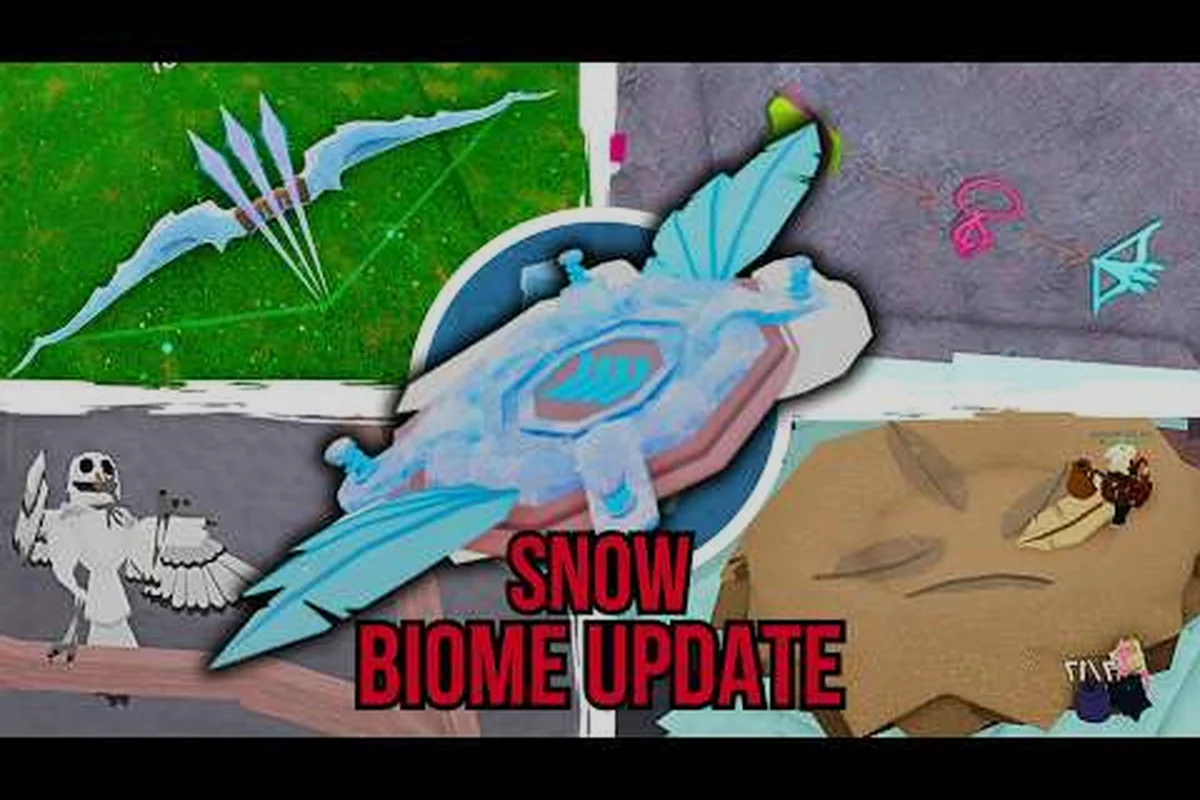
99 Nights in the Forest All Biomes: Forest, Snow & Volcano
Explore 99 Nights in the Forest all biomes — see the forest, snow, and volcanic zones, their unique resources, and which one fits your next run.

99 Nights in the Forest Snow Biome Spawn: Where to Find It
Locate the 99 Nights in the Forest snow biome spawn point — learn the map triggers, travel routes, and cabins waiting inside the winter zone.

99 Nights in the Forest Volcano Zones: Lava Map Guide
Navigate 99 Nights in the Forest volcano zones — map the lava fields, safe camp spots, and landmarks that turn a molten death trap into a farmable biome.
All Articles
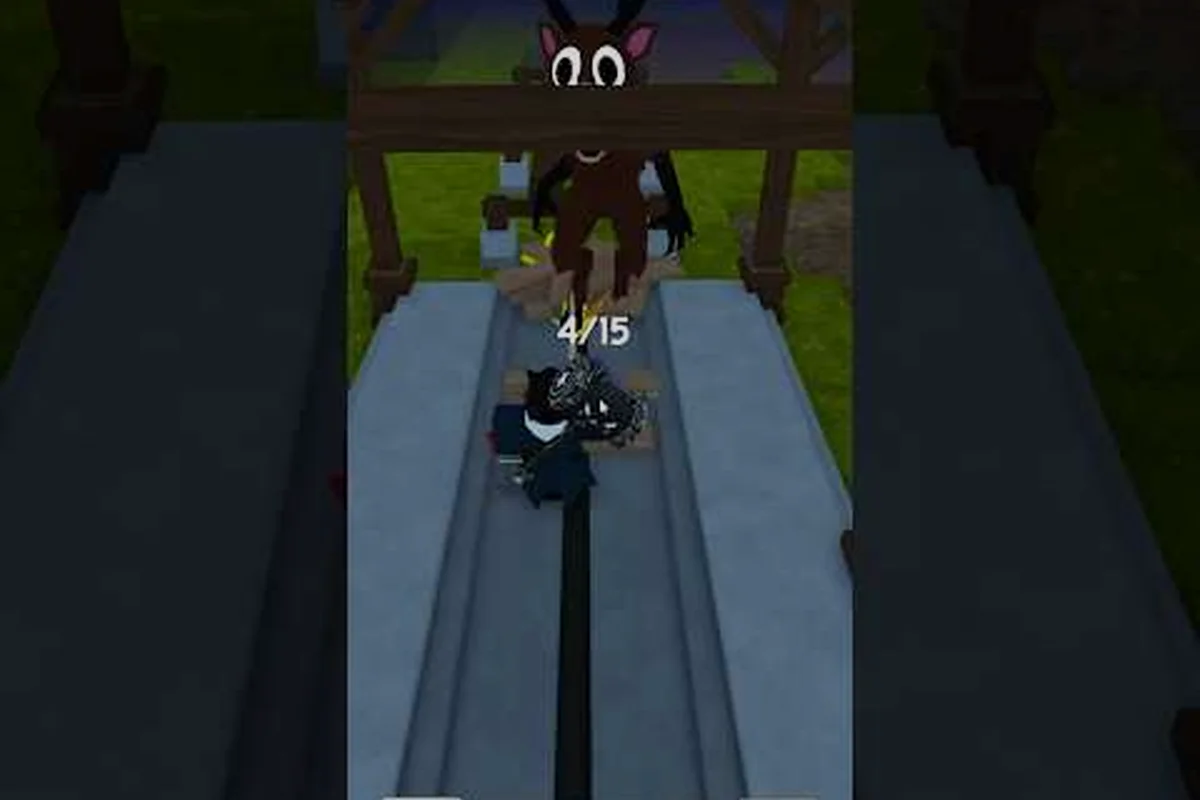
99 Nights in the Forest Sawmill Structure: Loot & Location
Raid the 99 Nights in the Forest sawmill structure for rare planks, scrap, and blueprint drops — see where it sits on the map and how to clear it safely.
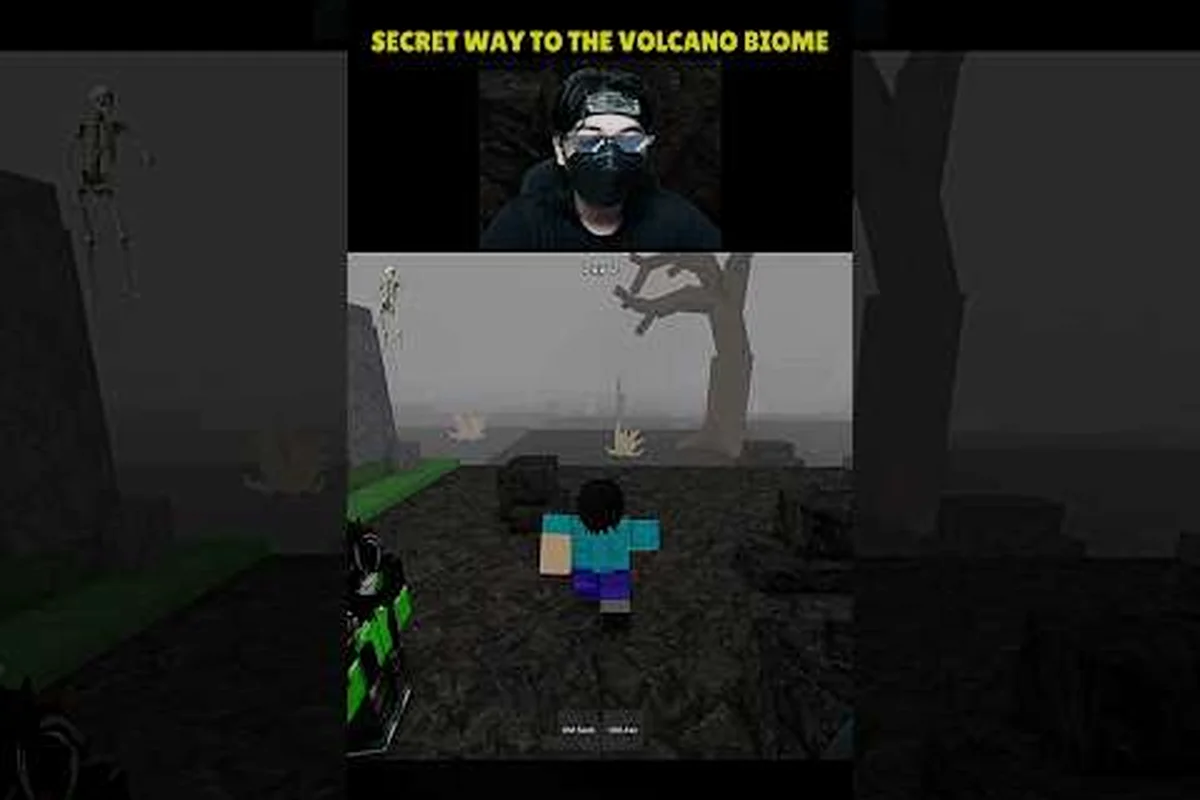
99 Nights in the Forest Where Is the Volcano: Map Route
Pin down 99 Nights in the Forest where the volcano hides — follow the landmarks, biome rotation clues, and travel tips that lead straight to the lava biome.

99 Nights in the Forest Volcanic Ram Home: Lava Arena Path
Track the 99 Nights in the Forest volcanic ram home through lava fields, find the boss arena entrance, and prep fire resist before the fight begins.