
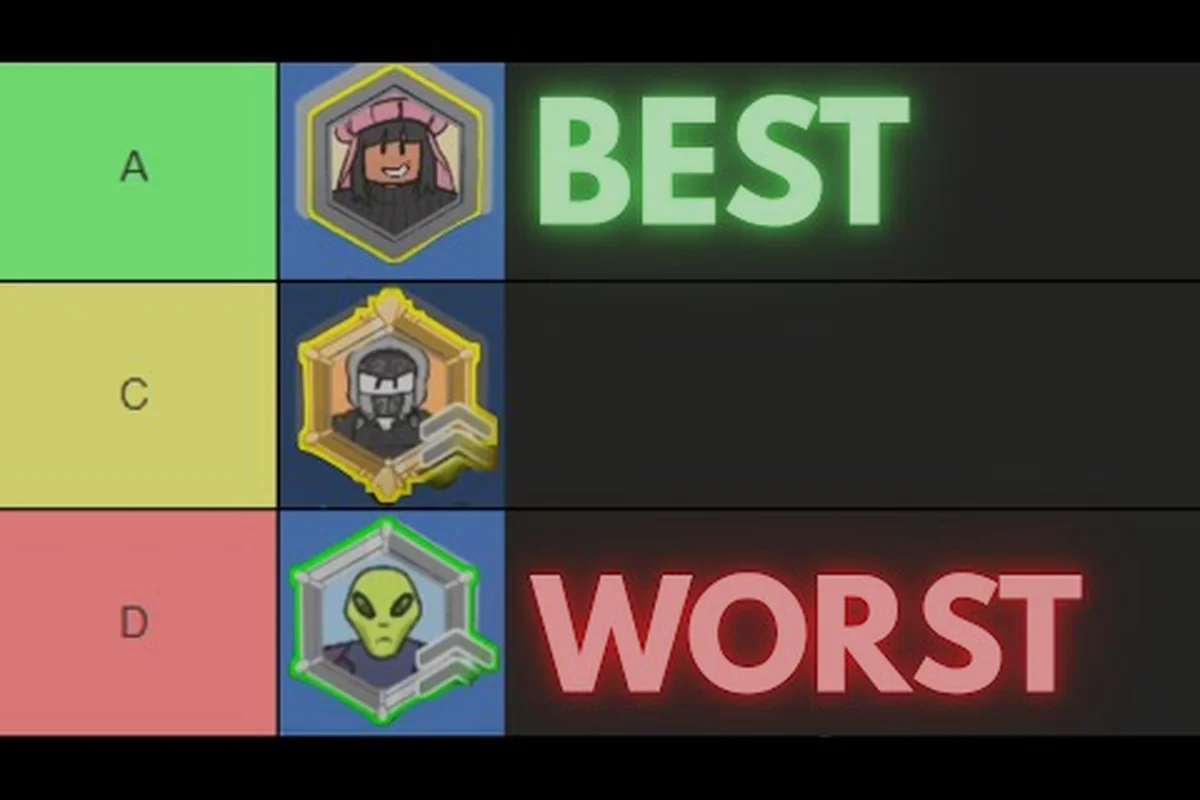
Diamonds are the gatekeeper in 99 Nights in the Forest, and most new players burn their first batch on flashy three-star classes before understanding how progression actually works. The 99 Nights in the Forest cheap classes worth buying first are almost always two-star picks with low unlock costs and talents that scale far beyond their price tag. This guide breaks down which budget classes deliver real survival value, how their talents interact, and when it is smarter to save for a premium unlock instead of grabbing the first shiny option in the shop.
Why Cheap Two-Star Classes Win Early Progression
The class shop in 99 Nights in the Forest prices unlocks in Diamonds, and the gap between two-star and three-star options is often misleading. A two-star class with a focused talent tree can outperform a three-star class with scattered bonuses, especially during the first twenty nights when resources are tight and every Diamond matters. Community data consistently shows that players who invest in cheap classes early build stronger bases and survive longer before their first prestige reset.
The core advantage comes down to talent efficiency. Two-star classes typically unlock their best talent within the first three level-ups, while three-star classes often require five or more levels before their signature ability comes online. Because leveling speed slows dramatically after night fifteen, that early talent spike translates into more usable power during the hardest stretch of a run.
| Class Tier | Typical Diamond Cost | Talent Unlock Speed | Early Game Value |
|---|---|---|---|
| Two-Star | 150-400 Diamonds | Fast (2-3 levels) | High |
| Three-Star | 600-1200 Diamonds | Slow (5+ levels) | Moderate |
| Premium/Special | 1500+ Diamonds | Variable | Situational |
The math favors budget picks for one simple reason: opportunity cost. Spending 300 Diamonds on a solid two-star class leaves you with enough currency to reroll talents or grab a second cheap class, while a 1000-Diamond three-star purchase locks you into a single playstyle for the entire run. According to the PC Gamer class guide, several low-tier classes in the overall ranking actually perform much better in solo survival scenarios than their tier placement suggests, because tier lists often weight group utility over individual consistency.
Talent Synergy on a Budget
Talents are the real power source in 99 Nights in the Forest, and cheap classes frequently have talents that chain together cleanly. A two-star class with harvest speed plus movement speed talents can gather resources faster than a three-star combat class that spends half its time walking between nodes. The key is reading the talent preview before buying, not just the class description.
-
Harvest talents multiply resource income, which feeds base building and cooking
-
Movement talents reduce downtime between objectives, compounding over a full night cycle
-
Combat talents on cheap classes often include a defensive bonus that keeps you alive longer
-
Utility talents like inventory expansion or crafting discounts save Diamonds elsewhere
The best budget classes combine at least two of these categories. A class that only offers raw damage might look impressive in the lobby, but if it cannot gather or move efficiently, you will spend more time recovering from bad positioning than actually progressing. The 99 Nights in the Forest classes list covers every unlock cost and starting item, which helps when comparing budget options side by side.
The Best Two-Star Classes Worth Buying
Not all cheap classes are created equal, and some two-star options are dramatically better than others for solo players. The following picks represent the strongest value based on community testing and survival consistency across multiple runs. Each one costs under 500 Diamonds and delivers a talent package that remains relevant through night fifty and beyond.
Lumberjack: The Resource Engine
Lumberjack is widely considered the single best budget class for new players because its wood harvesting multiplier applies to both trees and wooden structures, which are the backbone of early base building. The class starts with a basic axe and a talent that increases wood yield by a flat percentage, meaning every swing produces more planks from the same node.
The real strength of Lumberjack emerges when you combine its harvest talent with the stamina recovery passive that unlocks at level three. Chopping trees drains stamina quickly, and being able to recover faster means you can clear entire forest sections before nightfall without needing to rest at base. This creates a snowball effect: more wood leads to stronger walls, which leads to safer nights, which leads to more time gathering during the day.
| Level | Talent Unlocked | Effect |
|---|---|---|
| 1 | Wood Harvest | +15% wood yield |
| 2 | Axe Efficiency | -10% stamina cost on axe swings |
| 3 | Stamina Recovery | +20% stamina regen while outdoors |
| 4 | Tree Spotting | Highlights nearby trees through walls |
| 5 | Lumber Mastery | +25% wood yield, stacks with level 1 |
Lumberjack also pairs well with almost any second class because wood is universally needed for crafting, cooking stations, and defensive walls. Even if you later unlock a premium combat class, having Lumberjack as a fallback for resource runs keeps your progression smooth.
Chef: The Survival Multiplier
Chef is another standout among the 99 Nights in the Forest cheap classes worth buying because food is the single most important survival resource after the first few nights. The class starts with a cooking pot and a talent that increases the healing value of all cooked meals, which effectively doubles your survivability during night raids.
The hidden value of Chef comes from its ingredient preservation talent, which slows food spoilage. Most players lose a significant portion of their gathered food to rot before they can cook it, especially during long exploration trips. Chef eliminates that waste, meaning every berry and mushroom you collect actually contributes to your survival instead of disappearing into a spoiled inventory slot.
-
Meal efficiency means fewer ingredients needed per full heal
-
Spoilage reduction preserves gathered food during long trips
-
Cooking speed lets you prepare meals during short day windows
-
Recipe knowledge unlocks advanced dishes earlier than other classes
According to the VG247 best classes guide, Chef ranks surprisingly high in solo tier lists despite being a support-oriented class, because food management is the most common failure point for new players. A well-fed survivor with mediocre combat stats outlasts a starving fighter every time.
Explorer: The Map Advantage
Explorer costs slightly more than Lumberjack or Chef but offers a unique talent package centered around map awareness and movement. The class reveals a larger radius around your character, marks resource nodes automatically, and gains a movement speed bonus when traveling on roads or clear terrain.
The map advantage is hard to quantify but extremely valuable in practice. Knowing where berry bushes, ore deposits, and abandoned structures are located before you physically reach them saves hours of wandering over the course of a run. Explorer also starts with a compass item that points toward the nearest unexplored area, which helps new players learn the map layout faster than any other class.
| Explorer Talent | Level | Practical Benefit |
|---|---|---|
| Expanded Vision | 1 | +30% map reveal radius |
| Node Marking | 2 | Auto-marks resources within vision |
| Road Runner | 3 | +15% movement speed on paths |
| Cartographer | 4 | Full map reveal on night start |
| Trail Blazer | 5 | +10% movement speed everywhere |
Explorer is the best choice for players who struggle with navigation or who want to learn optimal gathering routes before committing to a more specialized class. The movement speed bonuses also stack with other speed talents, making Explorer a strong secondary pick for late-game builds.
Three-Star Classes: When to Save Instead
Three-star classes are tempting, and some of them are genuinely powerful, but they are rarely the right first purchase. The Diamond cost is steep, and the talent trees often require significant level investment before they outperform a well-built two-star class. Understanding when to save for a three-star unlock is just as important as knowing which cheap classes to buy.
The Three-Star Trap
The biggest mistake new players make is buying a three-star class immediately after earning enough Diamonds from codes or challenges. The class looks impressive in the lobby, but the early levels feel underwhelming because the signature talents are locked behind progression walls. By the time you unlock the class's full potential, you could have already completed several successful runs with a cheaper option.
| Three-Star Class | Diamond Cost | First Power Spike | Verdict |
|---|---|---|---|
| Big Game Hunter | 800+ | Level 5 | Save for later |
| Cyborg | 1000+ | Level 6 | Save for later |
| Necromancer | 1200+ | Level 4 | Situational buy |
| Vampire | 900+ | Level 5 | Situational buy |
The 99 Nights in the Forest tier list ranks many three-star classes in S-tier for overall power, but that ranking assumes full talent investment and late-game scenarios. For a new player on night five, a three-star class with one unlocked talent is often weaker than a two-star class with three talents active.
Class Progression Tips for Smart Spending
Effective class progression in 99 Nights in the Forest is about sequencing, not just selection. The following 99 Nights in the Forest class progression tips come from community testing and represent the most efficient path from first unlock to late-game viability.
-
Buy one cheap class first and level it to at least level three before considering another purchase
-
Save Diamonds for talent rerolls on your main class rather than spreading currency across multiple unlocks
-
Unlock a second cheap class only when your first class hits a progression wall or you need a specific utility for a new strategy
-
Delay three-star purchases until you have at least 1500 Diamonds banked, so the purchase does not leave you unable to reroll talents
-
Prioritize classes with stacking talents over classes with isolated bonuses, because stacking effects compound over a full run
The class cost and talent guide breaks down the exact Diamond economy, including how daily shop rotations and reroll costs affect your long-term spending plan. Understanding that economy is essential before committing to any purchase, cheap or premium, because every Diamond spent on the wrong class delays the moment your roster can clear harder nights and unlock the higher-value premium tiers.
Talent Priority: What Actually Matters
Talents are the hidden layer of class power in 99 Nights in the Forest, and understanding which talents matter most changes how you evaluate every class. The 99 Nights in the Forest talents system rewards focused investment, and cheap classes often have talent trees that are easier to complete than their expensive counterparts.
Core Talent Categories
Every class draws talents from a shared pool of categories, but the specific talents available vary by class, which is why two-star classes with focused trees can outperform scattered premium options. The categories that matter most for survival are not always the flashy combat options — resource, movement, and food talents usually deliver more value per Diamond during the first half of a run.
| Talent Category | Impact on Survival | Best Budget Class |
|---|---|---|
| Harvest Speed | High | Lumberjack |
| Movement Speed | High | Explorer |
| Food Efficiency | High | Chef |
| Stamina Management | Medium | Lumberjack |
| Combat Damage | Medium | Varies |
| Defense/Health | Medium | Varies |
| Utility/Crafting | Situational | Varies |
The pattern is clear: resource and movement talents dominate early survival, while combat talents only become critical during specific night events or boss encounters. A class with strong harvest and movement talents will consistently outperform a combat-focused class during the first thirty nights, simply because better resources translate into better gear, walls, and food.
Reroll Strategy for Budget Classes
Talent rerolls cost Diamonds, and the cost increases with each reroll on the same class. This makes it important to plan your rerolls carefully, especially on cheap classes where you might be tempted to reroll frequently because the initial cost is low.
-
First reroll on a cheap class is usually worth it if the initial talent is weak
-
Second reroll should only happen if the first reroll produced a clearly bad talent
-
Never reroll more than twice on a cheap class, because the cumulative Diamond cost approaches the price of a second class
-
Lock good talents when the option appears, even if it costs extra, because losing a strong talent to a bad reroll is worse than paying the lock fee
The talent system rewards patience. A cheap class with two good talents locked in is more valuable than an expensive class with a random talent spread, and the Diamond savings from buying budget classes gives you more room to invest in talent optimization.
Building a Budget Class Roster
The most effective early-game strategy is to build a small roster of cheap classes that cover different needs, rather than chasing a single premium class. A roster of two or three budget classes costs less than one three-star class and provides flexibility that a single class cannot match.
The Core Three Roster
For most solo players, the optimal budget roster consists of Lumberjack, Chef, and Explorer. These three classes cover resource gathering, food management, and map navigation, which are the three pillars of early survival. Together they cost roughly the same as one mid-tier three-star class.
| Roster Slot | Class | Primary Role | Secondary Benefit |
|---|---|---|---|
| Slot 1 | Lumberjack | Wood and building materials | Stamina efficiency |
| Slot 2 | Chef | Food and healing | Spoilage reduction |
| Slot 3 | Explorer | Map awareness and speed | Faster route learning |
This roster works because the talents complement each other without overlapping. Lumberjack gathers the wood for walls and crafting stations, Chef turns gathered food into efficient healing, and Explorer ensures you spend less time walking and more time doing. The synergy creates a feedback loop where each class makes the others more effective.
When to Add a Combat Class
Eventually you will want a dedicated combat class for night raids and boss encounters, but that purchase should come after your resource foundation is solid. A good benchmark is night thirty: if you have survived that long with your budget roster, you have enough game knowledge to evaluate combat classes properly and enough Diamonds banked to afford a strong one.
The best group class tier list covers combat-oriented picks that shine in coordinated play, but for solo progression, your budget roster carries you further than most players expect. The key is resisting the urge to buy a combat class before your resource engine is running smoothly.
Frequently Asked Questions
What are the 99 Nights in the Forest cheap classes worth buying first?
Lumberjack, Chef, and Explorer are the strongest budget picks because their talents scale well and their Diamond costs stay under 500. Each one covers a core survival need — wood gathering, food efficiency, or map navigation — and they combine into a flexible early-game roster that outperforms most single premium classes.
Are two-star classes better than three-star classes in 99 Nights in the Forest?
Two-star classes are better for early progression because their talents unlock faster and their lower cost leaves Diamonds for rerolls. Three-star classes eventually surpass them at high levels, but that power spike comes too late for new players who need immediate survival value during the first twenty nights.
How do I unlock classes in 99 Nights in the Forest?
Classes unlock with Diamonds, which you earn from codes, in-game challenges, and progression milestones rather than by simply surviving more nights. You can also purchase Diamonds with Robux, but grinding codes and challenges provides enough currency for several cheap classes without spending real money, so budget rosters remain fully accessible to free-to-play players who redeem rewards consistently.
What talents should I prioritize on budget classes?
Prioritize harvest speed, movement speed, and food efficiency talents because they compound over a full run and directly improve survival. Combat talents matter less early on, since better resources lead to better gear and walls that keep you alive more reliably than raw damage output.
When should I buy my first three-star class?
Wait until you have at least 1500 Diamonds banked and your budget roster is fully leveled. This ensures the three-star purchase does not prevent talent rerolls on your existing classes, and it gives you enough game knowledge to pick a premium class that fits your playstyle.