
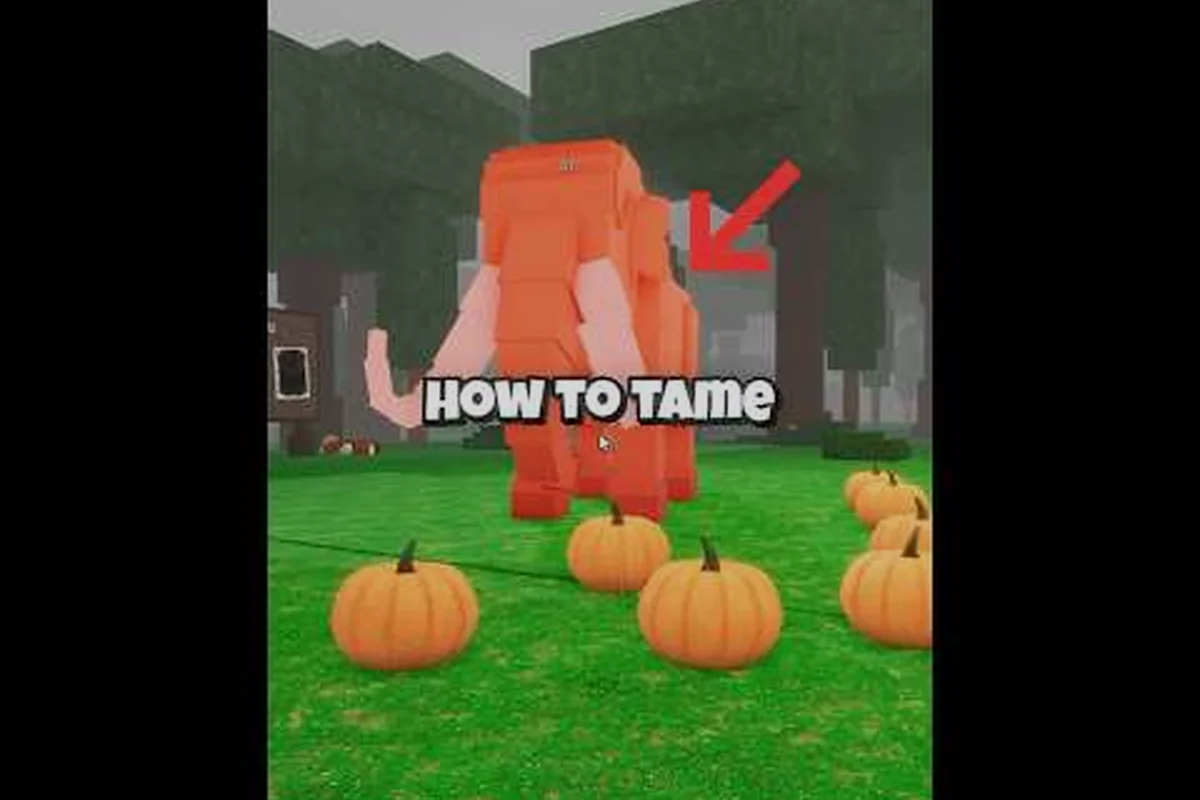
Taming animals in 99 Nights in the Forest transforms a fragile solo run into a coordinated survival push, because a well-fed companion can distract The Deer, haul resources, and guard your campfire while you craft. The Taming Flute is the core tool that makes this possible, but most players waste bait on creatures that will never follow them. This guide breaks down exactly how the taming system works, which animals are worth your resources, and how to scale a small pet into a late-game pack that helps you survive all 99 nights.
Understanding the Taming Flute and Animal Behavior
The Taming Flute is not a universal remote for wildlife. It only works on specific animal types, and each one has a taming threshold that depends on your current night count, the bait you offer, and whether the animal is already aggressive. According to the official Roblox DevForum creator spotlight, the developers designed the flute as a mid-game progression tool rather than an early crutch, which means you should not expect to tame anything meaningful before night 10 without significant investment.
Taming Attempt Conditions and Success Checks
When you use the Taming Flute near a valid animal, the game checks three conditions before the taming attempt succeeds. First, the animal must be in a neutral state — if it is already fleeing or attacking, the flute does nothing. Second, you need the correct bait type equipped in your hotbar, because the flute consumes one bait item per attempt. Third, your Taming Level must meet or exceed the animal's hidden requirement, which scales with the creature's size and combat value.
| Animal Type | Minimum Night | Recommended Bait | Taming Level Required | Primary Use |
|---|---|---|---|---|
| Forest Hare | 3 | Wild Berries | 1 | Early food scout |
| Fox Kit | 8 | Raw Meat | 2 | Distraction, small hauling |
| Young Boar | 15 | Root Vegetables | 3 | Combat support, medium hauling |
| Stag | 25 | Sweet Grass | 5 | Fast transport, scouting |
| Bear Cub | 40 | Honeycomb | 8 | Heavy combat, base defense |
The table above reflects community testing as of the current patch, and exact thresholds may shift slightly with the bi-weekly Saturday updates. Players report that the Forest Hare is the only animal consistently tamable before night 5, which makes it the standard first pet for learning the flute's timing and bait economy.
Bait Economy and Failed Attempts
Every failed taming attempt still consumes your bait, and this is where most players bleed resources. A failed flute use does not anger the animal, but it does reset a short cooldown before you can try again. The key insight is that bait quality matters more than quantity — using the wrong bait type on a high-tier animal produces a near-zero success rate regardless of how many attempts you make.
Best First Pets and Early Taming Strategy
Your first successful tame should happen before night 10, because the survival pressure ramps up sharply after the first week. The Forest Hare is the optimal starter pet for three reasons: it requires only Wild Berries, it spawns near most base locations, and it provides a small but consistent food-scouting bonus that reduces your early-game gathering time. While a hare will not fight off The Deer, it can trigger early warning behavior when a threat approaches, giving you precious seconds to reach the campfire.
Why the Fox Kit Is the Real Early Power Spike
Once you reach night 8 and have a steady supply of Raw Meat, the Fox Kit becomes the best value tame in the early game. Unlike the hare, a fox kit will actively harass smaller predators and can carry a limited inventory, which frees up your own carry weight for crafting materials. Community reports consistently place the fox kit as the most impactful early companion because it bridges the gap between passive utility and actual combat support.
| Companion | Carry Slots | Combat Rating | Food Cost per Night | Recommended For |
|---|---|---|---|---|
| Forest Hare | 1 | 0 | Very Low | Solo gatherers |
| Fox Kit | 3 | 2 | Low | Balanced early play |
| Young Boar | 6 | 5 | Medium | Aggressive survivors |
| Stag | 8 | 3 | Medium | Exploration-focused |
| Bear Cub | 12 | 9 | High | Late-game base defense |
The food cost per night column is often overlooked by new tamers, but it is the hidden tax that determines whether your growing pack is sustainable. A bear cub is powerful, but if you cannot feed it every night, it will eventually abandon your camp — and you lose all the bait and time invested in taming it.
Scaling Your Pack: The Late Game Taming Pipeline
By night 30, a single companion is no longer enough. The late game taming pipeline is about building a coordinated pack where each animal fills a distinct role, and this is where the 99 Nights in the Forest advance guide principles really start to matter. You want at least one Stag for fast map traversal, one Young Boar or Bear Cub for combat, and a Fox Kit or two for hauling and distraction.
Feeding Rotations and Pack Loyalty
Pack loyalty is not permanent. Every animal has a loyalty meter that decays each night based on how well you feed it and whether it takes damage during encounters. If a companion's loyalty drops below 30%, it will refuse commands and may run off during the next night cycle. The solution is a feeding rotation — you do not need to feed every animal every night, but you must keep each one above the threshold that matters for its role.
| Night Range | Recommended Pack Size | Must-Feed Animals | Optional Feed |
|---|---|---|---|
| 1-10 | 1 | Your only companion | None |
| 11-25 | 2-3 | Combat + hauler | Scout |
| 26-50 | 4-5 | Combat + defender | Haulers |
| 51-99 | 5-7 | Bear Cub + Stag | Fox Kits |
This rotation strategy comes from aggregated player reports on the 99 Nights in the Forest subreddit, where experienced tamers consistently emphasize that overfeeding is as wasteful as underfeeding. The goal is to keep every animal above 50% loyalty while spending the minimum possible food resources, because those resources are also needed for your own survival and crafting.
Taming Level Upgrades and Flute Enhancements
Your Taming Level is a hidden stat that increases each time you successfully tame a new animal type, not each individual animal. This means taming five Forest Hares only counts once toward your level, while taming one hare, one fox kit, and one boar counts three times. To unlock the ability to tame a Bear Cub, you need to have tamed at least four different animal types, which forces you to engage with the full taming ecosystem rather than rushing the strongest option.
Advanced Taming Tactics for Night 50 and Beyond
The late game in 99 Nights in the Forest is not just about surviving — it is about winning, and a fully optimized pack is one of the strongest tools for reaching night 99. The 99 Nights in the Forest late game guide approach centers on using your animals as a coordinated defense network around your base, because The Deer becomes significantly more aggressive after night 50 and will test your perimeter repeatedly.
Using Animals to Counter The Deer
The Deer is the primary threat in 99 Nights in the Forest, and your tamed animals interact with it in specific ways. A Bear Cub can briefly hold The Deer's attention, buying you time to reposition or heal. A Stag can outrun The Deer in open terrain, making it useful for kiting the entity away from your base. A Fox Kit is nearly useless against The Deer directly, but its early warning bark can alert you before the entity reaches your campfire.
| Tactic | Best Animal | Success Window | Risk Level |
|---|---|---|---|
| Distraction | Bear Cub | 8-12 seconds | High — cub may die |
| Kiting | Stag | 15-20 seconds | Medium — stamina dependent |
| Early warning | Fox Kit | 5-8 seconds | Low |
| Base defense | Young Boar | 10-15 seconds | Medium |
| Combined assault | Bear Cub + Boar | 20+ seconds | Very High |
The combined assault tactic is the most powerful but also the most dangerous, because losing both your combat animals in a single night can cripple your late-game run. Players who successfully execute this strategy typically reserve it for nights when The Deer is already weakened or when they have a backup taming plan ready.
The 99 Nights in the Forest How to Win Framework
Winning in 99 Nights in the Forest means surviving all 99 nights, and tamed animals are a core pillar of the 99 Nights in the Forest how to win framework. The other pillars are base location, campfire management, and resource farming — but a strong pack amplifies all of them. A well-fed Stag cuts your travel time in half, which means more gathering and crafting per night cycle. A Bear Cub on perimeter duty means you can sleep through more of the night without manually patrolling.
If you are still working on your base fundamentals, the 99 Nights in the Forest beginner guide covers the survival basics that every taming strategy depends on. Your animals are only as effective as the camp they are defending, so a poorly placed base will undermine even the best pack composition.
Frequently Asked Questions
How do I get the Taming Flute in 99 Nights in the Forest?
The Taming Flute is unlocked through the main progression path, typically around night 5 to 8 depending on how quickly you complete early objectives. It is not a random drop or a gem purchase, so focus on advancing the core survival milestones rather than farming for it.
What is the best animal to tame first?
The Forest Hare is the best first tame because it requires only Wild Berries, spawns near most starting areas, and has the lowest Taming Level requirement. It provides food-scouting utility that pays for itself within a few nights, making it the safest introduction to the taming system.
Can tamed animals die permanently?
Yes. If a tamed animal's health reaches zero during combat or a The Deer encounter, it is gone permanently along with all the bait and time you invested. This is why the combined assault tactic is high-risk — losing a Bear Cub in the late game can set your progression back significantly.
How many animals can I have at once?
The maximum pack size scales with your Taming Level and base upgrades, but most players cap out around seven animals by night 99. Each additional animal increases your nightly food cost, so expanding your pack too quickly can create a resource deficit that forces animals to abandon you.
Does the Taming Flute work on The Deer?
No. The Deer is an entity, not a tamable animal, and the Taming Flute has no effect on it. Your tamed animals can distract or kite The Deer, but they cannot be used to tame or control it directly.