
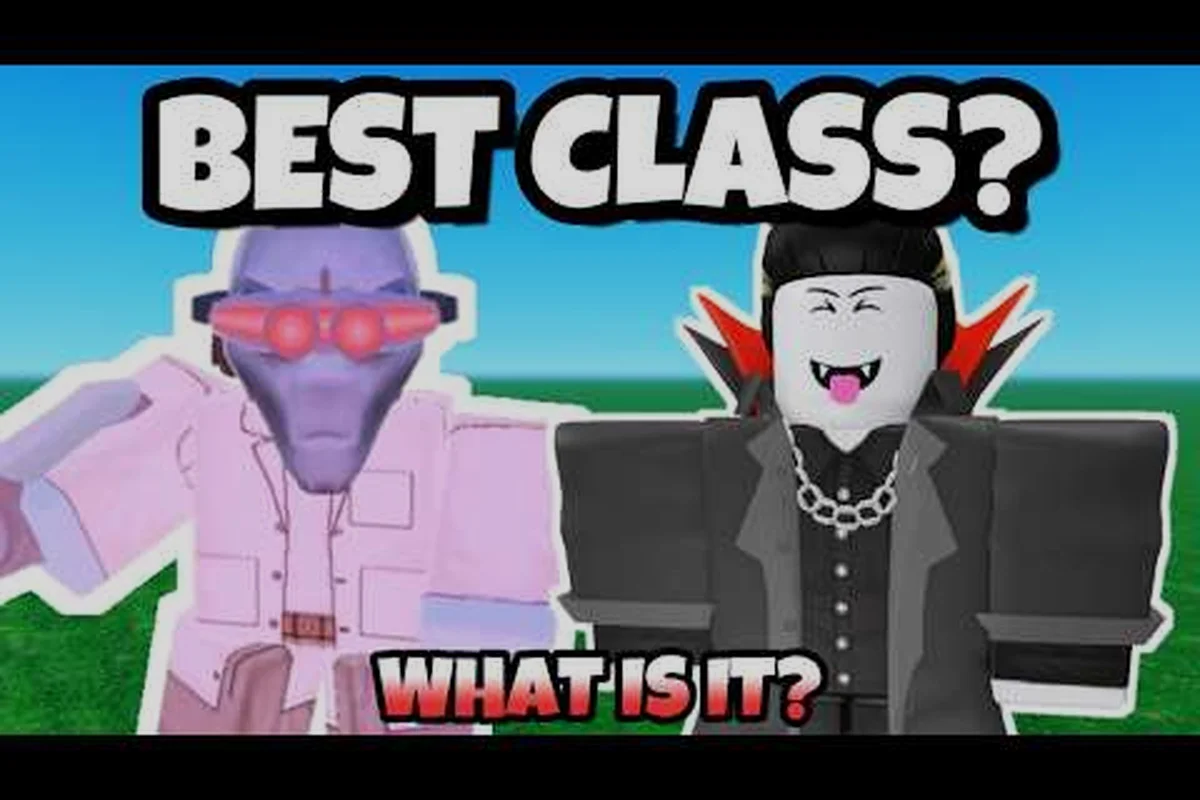
Diamonds are the single most punishing currency to waste in 99 Nights in the Forest, and picking the 99 Nights in the Forest weakest class early can stall your entire survival run before the first blood moon. This guide breaks down the bottom-tier roles that underperform in solo and group play, explains why their kits fail against forest threats, and shows you which classes to skip when spending premium currency. Understanding these weak picks saves you hours of grinding and keeps your camp defense viable through all 99 nights.
Why the Weakest Class Choices Punish Your Run
The class system in 99 Nights in the Forest is not a cosmetic choice. Every class determines your starting loadout, your ability to gather resources, your damage output against forest creatures, and your survival ceiling during late-night waves. When you invest Diamonds into a weak class, you are not just losing premium currency — you are locking yourself into a kit that struggles to clear objectives, defend the camp, or contribute meaningfully in multiplayer lobbies.
Community testing consistently shows that the gap between top-tier and bottom-tier classes is not a small percentage difference. It is a fundamental mismatch between what the class provides and what the forest demands. A weak class might have a starting weapon that deals low damage, an ability that triggers too slowly, or a resource bonus that does not matter after the first few nights. Because Diamonds can be earned through codes and challenges, the real cost is opportunity: every Diamond spent on a weak class is a Diamond not spent on a Big Game Hunter or Necromancer kit that actually carries runs.
The official Roblox page for 99 Nights in the Forest confirms the game has surpassed 29.99 billion visits, which means the meta has been tested across millions of player hours. That scale of testing makes weak class identification reliable. Players who ignore community tier data and pick based on theme or name alone are the ones who end up rerolling after night 20.
How Class Kits Create Failure States
A class fails when its kit cannot answer at least two of the three core survival questions: Can it gather enough resources before nightfall? Can it deal enough damage to repel attackers? Can it survive direct hits when the camp is overrun? Weak classes typically answer no to two or all three of these questions, and their abilities do not compensate for the missing baseline.
The Cook class is a classic example. Its food-related bonuses sound useful on paper, but food is rarely the bottleneck in a survival horror loop where wood, stone, and combat damage matter more. Because the Cook starts with low-tier melee damage and no meaningful combat ability, it struggles to defend the camp during the mid-game waves that define whether a run survives. The class is not unplayable, but it is strictly worse than almost every alternative in the same Diamond cost bracket.
Bottom-Tier Class Breakdown and Why They Fail
Understanding the 99 Nights in the Forest weakest class requires looking at the actual kits, not just community sentiment. The bottom tier is defined by classes that combine low starting damage, weak or situational abilities, and poor scaling into the late game. These classes are not necessarily broken — they are simply outclassed by cheaper or similarly priced options that do the same job better.
The Farmer class sits near the bottom because its crop bonuses do not translate into combat power or camp defense. While farming can generate food, the forest survival loop rewards players who can fight, gather wood quickly, and hold the line during night waves. The Farmer's starting tool is weak against enemies, and its ability does nothing to stop a Brute or Wendigo from breaking through the barricade. In group play, a Farmer contributes less than a Brawler or Lumberjack who can both gather and fight.
The Fisherman has a similar problem. Fishing is a niche activity that generates food and occasional loot, but it requires standing near water, which is often far from the camp and exposed to enemy patrols. Because the Fisherman's kit does not include a strong melee option or a defensive ability, players who pick this class spend most of the night running back to camp instead of contributing to defense. The opportunity cost is severe: every minute spent fishing is a minute not spent gathering wood or repairing barricades.
Weak Class Comparison Table
| Class | Starting Weapon | Core Ability | Why It Fails | Solo Viability |
|---|---|---|---|---|
| Cook | Kitchen Knife | Food buff | No combat scaling, food is not a bottleneck | Very Low |
| Farmer | Hoe | Crop growth | Zero combat utility, slow resource loop | Low |
| Fisherman | Fishing Rod | Fish loot | Requires exposed water access, weak defense | Low |
| Base Defender | Wooden Club | Barricade repair | Outclassed by Brawler and Brute for defense | Low |
| Medic | Bandage Kit | Healing | Healing is situational, low personal damage | Low |
The Base Defender deserves special attention because its name suggests it should be good at defense. In practice, the class provides a barricade repair bonus that sounds useful but does not scale well into the late game. When enemies deal enough damage to destroy barricades in seconds, a small repair bonus does not save the camp. Meanwhile, the Brute class offers both higher damage and better survivability, making the Base Defender strictly inferior for the same role.
Weapon Tier List Context for Weak Classes
A weak class is often defined as much by its starting weapon as by its ability. The 99 Nights in the Forest weapon tier list shows a clear divide between weapons that can carry a run and weapons that hold a class back. Because weak classes typically start with low-tier weapons, understanding the weapon meta helps explain why certain classes fail.
The 99 Nights in the Forest melee weapon tier list places the Kitchen Knife, Hoe, and Fishing Rod near the bottom. These weapons have low base damage, short reach, and no special properties that help against armored or fast-moving enemies. In contrast, the best melee weapon options — typically axes, machetes, and hammers — offer high damage, crowd control, or resource-gathering bonuses that compound over a run. When a class starts with a bottom-tier melee weapon, it falls behind from night one.
Ranged weapons follow a similar pattern. The 99 Nights in the Forest ranged weapon tier list shows that bows and crossbows with high damage and fast reload dominate the meta, while thrown weapons and low-tier slings struggle to keep up. Classes that start with weak ranged options cannot safely engage enemies from distance, which forces them into melee range where their low survivability becomes a death sentence. The best ranged weapon options are typically locked behind higher-tier classes, which is another reason weak classes feel so punishing.
Melee vs Ranged Starting Loadouts
| Weapon Type | Weak Class Examples | Strong Class Examples | Impact on Class Viability |
|---|---|---|---|
| Melee | Kitchen Knife, Hoe, Fishing Rod | Axe, Machete, War Hammer | Determines early-game damage and gathering speed |
| Ranged | Slingshot, Throwing Rocks | Crossbow, Longbow | Determines safe engagement range and kiting potential |
| Hybrid | None (weak classes lack hybrid) | Big Game Hunter rifle, Cyborg blaster | Allows flexible combat and resource control |
The absence of hybrid weapon access is a hidden weakness for bottom-tier classes. While strong classes can switch between melee and ranged based on the threat, weak classes are locked into a single poor weapon type. This lack of flexibility means they cannot adapt when the forest throws a new enemy type or a night wave with mixed attackers. The 99 Nights in the Forest best weapons are almost never available to the weakest classes, which compounds their problems.
How to Identify and Avoid Weak Class Traps
The best way to avoid wasting Diamonds on the 99 Nights in the Forest weakest class is to evaluate a class before purchasing it. Community tier lists and class guides provide a starting point, but you should also understand the underlying mechanics that make a class weak or strong. This section breaks down the evaluation framework that experienced players use before spending premium currency.
First, check the starting weapon against the current weapon tier list. If a class starts with a weapon that ranks in the bottom third of the 99 Nights in the Forest melee weapon tier list or the 99 Nights in the Forest ranged weapon tier list, that class is already at a disadvantage. The weapon determines your damage output for the first several nights, and a weak weapon means you will struggle to clear even basic threats. Because weapon upgrades are not guaranteed early, the starting weapon matters more than most players realize.
Second, evaluate the class ability for combat relevance. Abilities that boost food, fishing, or barricade repair are situational at best. Abilities that boost damage, movement speed, or survivability are always useful. The Necromancer ability to raise fallen enemies as allies, for example, provides both damage and crowd control, while the Cook food buff provides neither. When comparing classes, ask whether the ability helps you survive a direct attack or clear a wave faster. If the answer is no, the class is likely weak.
Third, consider the class scaling. Some classes start weak but become strong with upgrades, while others start weak and stay weak. The Blacksmith is an example of a class that can scale into a strong late-game role because its crafting bonuses compound. The Farmer does not scale in the same way because crop growth never becomes a combat advantage. Community reports consistently show that classes with flat bonuses fall behind classes with percentage-based or compounding bonuses as the nights progress.
Weak Class Red Flags Checklist
-
Starting weapon ranks in the bottom third of the current weapon tier list
-
Ability has no direct combat application — food, fishing, or repair bonuses without damage or survivability
-
No hybrid weapon access — locked into a single poor weapon type for the entire run
-
Flat bonuses instead of scaling bonuses — the class does not get proportionally stronger as threats increase
-
Outclassed by a cheaper or similarly priced alternative — another class does the same job better for the same or lower Diamond cost
The Medic class illustrates the outclassed problem perfectly. Healing sounds valuable in a survival game, but the Medic's healing output is too slow to matter during intense night waves. Meanwhile, the Vampire class provides self-healing through damage, which is both faster and more reliable. Because the Vampire heals while fighting, it contributes to wave clear and survivability simultaneously, while the Medic must stop fighting to heal. This is why the Medic sits in the bottom tier despite having a theoretically useful ability.
Better Alternatives to the Weakest Classes
Once you know which classes to skip, the next step is identifying what to buy instead. The strongest classes in 99 Nights in the Forest share common traits: high starting damage, combat-relevant abilities, and scaling that keeps them viable through all 99 nights. This section covers the top alternatives to the weakest classes and explains why they are worth your Diamonds.
The Big Game Hunter is widely considered one of the best classes in the game because it starts with a high-damage ranged weapon and an ability that boosts damage against large enemies. This kit answers all three core survival questions: it gathers resources efficiently through hunting, deals massive damage to threats, and can engage from range to avoid direct hits. The Big Game Hunter is expensive, but it is a one-time purchase that carries runs from night one through night 99.
The Necromancer is another top-tier pick because its ability to raise fallen enemies creates a self-sustaining army. Each kill adds to your combat power, which means the class scales naturally as the forest throws more enemies at you. The Necromancer also starts with a solid melee weapon, so it is not helpless in close quarters. For players who want a class that gets stronger as the game gets harder, the Necromancer is the clear choice.
The Cyborg and Vampire classes round out the top tier with their hybrid combat kits. The Cyborg starts with a blaster that works at range and in melee, while the Vampire heals through damage and scales with every kill. Both classes offer the flexibility that weak classes lack, and both are worth the Diamond investment if you plan to play through multiple runs. For a full breakdown of the best picks, the 99 Nights in the Forest class tier list covers every class in detail.
Strong Class Comparison Table
| Class | Starting Weapon | Core Ability | Why It Works | Solo Viability |
|---|---|---|---|---|
| Big Game Hunter | High-damage rifle | Bonus damage vs large enemies | Answers all three survival questions | Very High |
| Necromancer | Solid melee weapon | Raise fallen enemies | Scales with enemy count, self-sustaining | Very High |
| Cyborg | Blaster (hybrid) | Energy shield | Flexible combat, strong defense | High |
| Vampire | Claws | Life steal on damage | Heals while fighting, scales with kills | High |
| Brawler | Fists | Damage reduction | Strong melee, good survivability | High |
The gap between these classes and the bottom tier is not subtle. A Big Game Hunter can clear a night wave in half the time it takes a Cook to deal meaningful damage, and that time difference compounds over 99 nights. When you factor in the resource gathering and camp defense requirements, the strong classes are not just better — they are fundamentally playing a different game. This is why community tier lists consistently place the same classes at the top and bottom, and why the 99 Nights in the Forest weakest class choices are so easy to identify once you know what to look for.
Frequently Asked Questions
What is the 99 Nights in the Forest weakest class?
The Cook and Farmer are consistently ranked as the weakest classes because their food and crop bonuses do not translate into combat power or camp defense. Both start with bottom-tier weapons and lack abilities that help survive night waves, making them strictly worse than alternatives in the same Diamond cost bracket.
Should I ever buy a weak class for fun?
Only if you have already unlocked the strong classes and have spare Diamonds. Weak classes can be fun for roleplay or challenge runs, but they will slow your progression and make solo survival significantly harder. Most players recommend buying a Big Game Hunter or Necromancer first.
Do weak classes get buffed in updates?
Class balance changes happen periodically, but the core issues with weak classes — poor starting weapons and non-combat abilities — rarely change. Check the latest community tier list before spending Diamonds, as buffs can occasionally shift a class up a tier. As of October 2026, the bottom tier remains stable.
Which weapon should I prioritize for a weak class run?
If you are stuck with a weak class, prioritize upgrading to the best melee weapon you can craft or find. The 99 Nights in the Forest best melee weapon options — typically axes and machetes — provide the damage and gathering speed that weak classes lack. Ranged upgrades help too, but melee is more reliable for camp defense.
Can a weak class work in a group?
Yes, but only as a support role. A Medic or Base Defender can contribute in a coordinated group where other players handle damage. However, even in groups, the strong classes provide more value, and a weak class player will often feel carried rather than contributing. Solo play with a weak class is not recommended.